


More Than Specs. We Focus on How Products Perform in Real Use.
Underwater fishing lights operate long-term in underwater, humid, and high-load environments. We pay attention to stability, waterproofing performance, heat dissipation structure, and batch-to-batch consistency. These factors often affect real-world performance more than specification numbers.
R&D isn't just about making a brighter light, or writing better-looking specs.
For underwater fishing lights, what actually affects the user's experience tends to come down to these details:
What Actually Affects Performance
- Whether the light runs stably over extended periods
- Whether the light body and cable connections are reliable
- Whether the waterproof structure holds up in real operating environments
- Whether the heat dissipation supports continuous operation
- Whether products are reasonably consistent batch to batch
- Whether quality can be maintained in subsequent mass production
Our product development is guided by real-world use scenarios, customer feedback, and production feasibility. The ability to produce consistently, supply reliably, and reduce downstream problems often matters more than specification numbers alone.
R&D · 4 Stages
R&D Process

Requirements Analysis
Before developing or adjusting a product, we first confirm the use scenario the product will face, such as commercial fishing, boat fishing, dock water areas, distributor trial sales, or brand customization.
This stage focuses on determining power output, brightness, waterproofing requirements, power supply method, runtime, and cable configuration, to avoid creating a product that looks good on paper but doesn't fit the customer's market.

Design and Prototyping
Based on the product positioning, we determine the LED chip type, driver approach, heat dissipation structure, sealing method, and power supply option.
Common decisions involve COB vs. SMD LED chip selection, light body structural design, cable connection method, waterproofing approach, and packaging. Once the direction is confirmed, we proceed to sample production.

Sample Testing
Once a sample is complete, we don't just confirm it turns on. We observe brightness performance, waterproofing, sustained power-on behavior, heat generation, and structural details.
If instability or factors unsuitable for mass production are found during testing, we continue adjusting the structure, materials, or process until the product more closely meets actual use requirements.

Finalization and Production Preparation
After the sample is confirmed, we compile the final specifications, bill of materials, production process, and basic inspection requirements.
The purpose of this stage is to give subsequent mass production a clear reference point, reducing rework, batch variation, and communication costs caused by unclear information.
Production Process
Progressed through standard process steps with checkpoints at key stages.
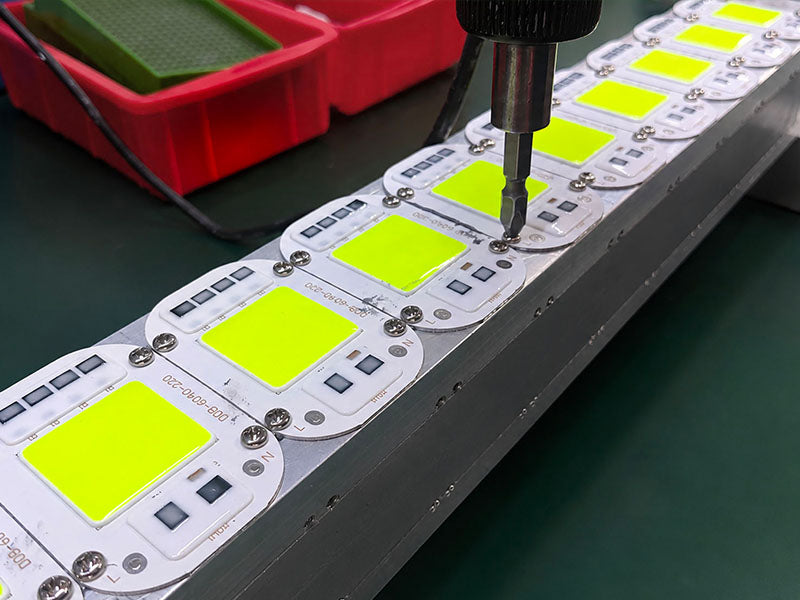
01
LED Placement and Assembly
LED chips and driver approach selected by model. LED placement, PCB assembly, and basic power-on inspection completed.
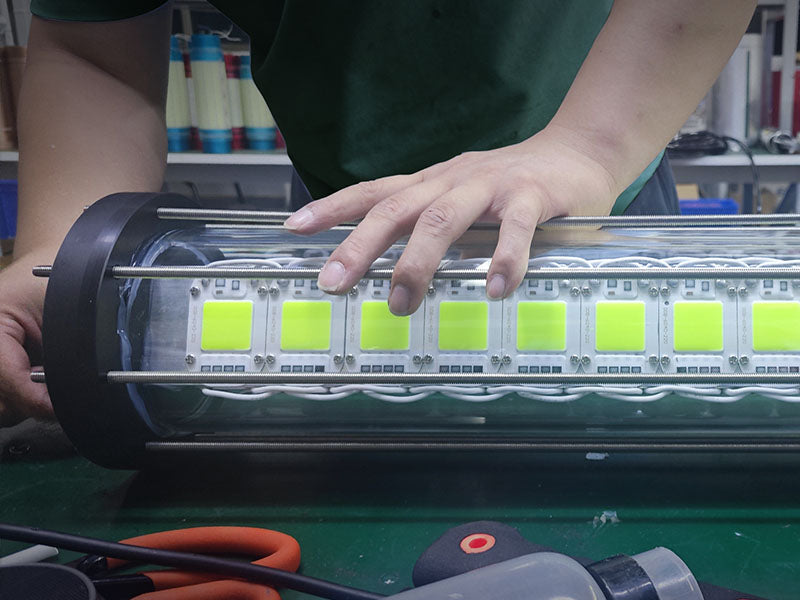
02
Light Body Assembly
Structural assembly of the light body completed, including heat dissipation component installation, LED module mounting, cable connection, and housing fit.
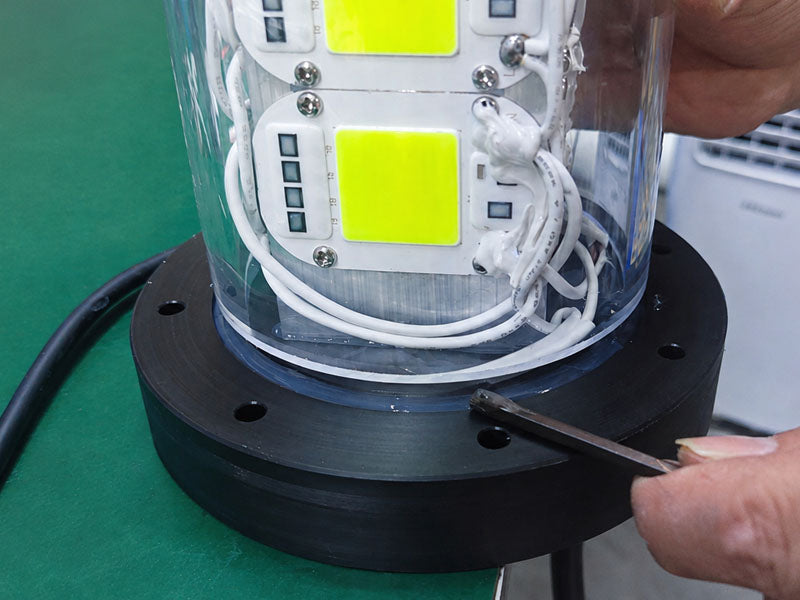
03
Sealing
Sealing is a critical process step for underwater products. Joints, cable interfaces, waterproof connectors, and charging contacts are all handled according to the product's structural requirements.
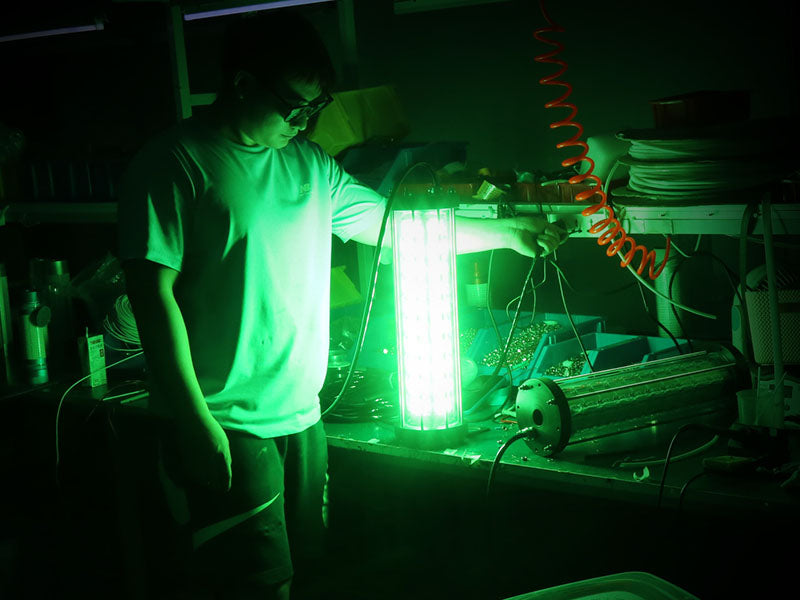
04
Power-On and Burn-In Testing
Power-on inspection after assembly to confirm normal lighting and function. Some models undergo extended power-on or burn-in testing to observe driver stability and heat dissipation behavior.
05
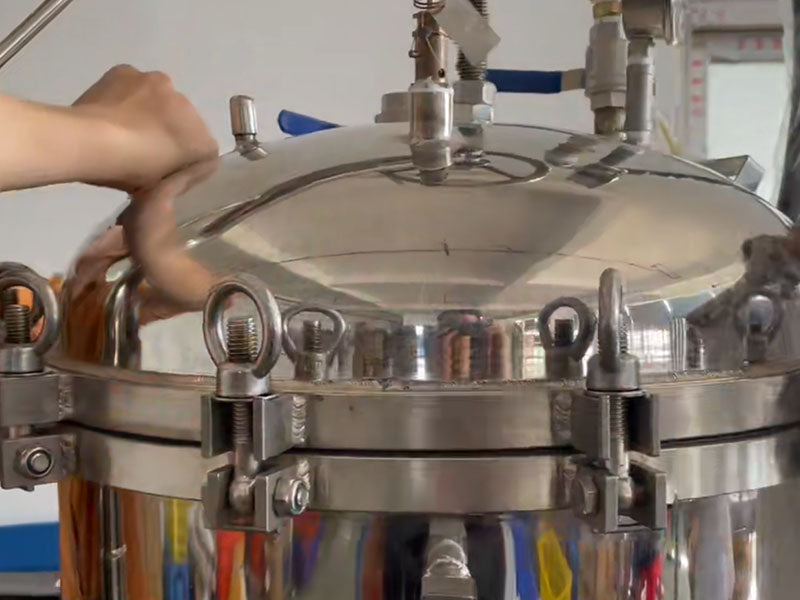
Waterproof Testing
Immersion testing, powered immersion testing, or other basic waterproof checks arranged based on product structure and waterproof requirements. Waterproofing is not a marketing claim. It's the baseline for whether a product can function at all.
06
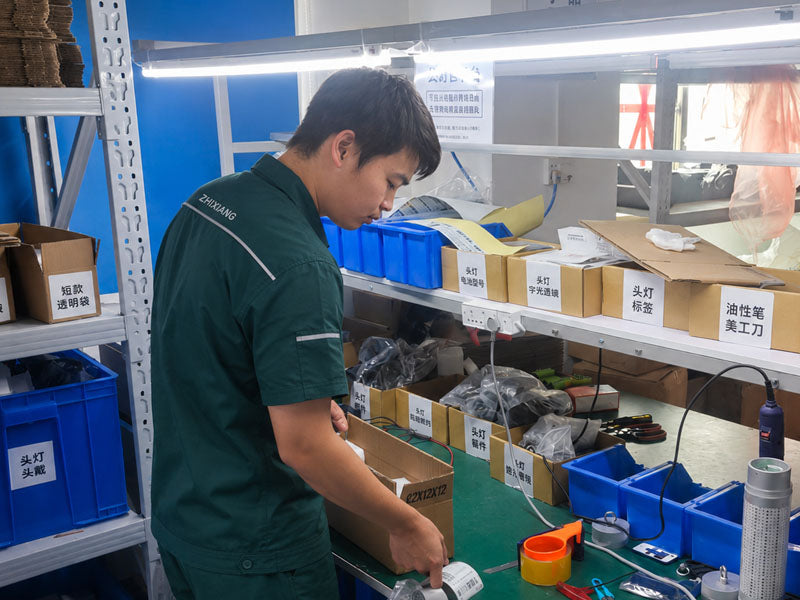
Final Inspection and Packaging
Visual inspection, function verification, accessory check, and label confirmation before packaging. Export orders additionally verify packaging language, label information, and accessory completeness.
Development and Delivery Timeline
Standard sample development typically takes 15-35 days, depending on product structure, customization complexity, material readiness, and testing requirements.
For minor adjustments to existing products, the timeline is usually shorter. For new structures, new packaging, new power supply configurations, or special customization, the timeline needs to be reassessed based on the actual scope.
Bulk production lead times depend on order quantity, product model, material availability, and the current production schedule, and need to be confirmed separately. Rather than committing to an overly aggressive timeline upfront, we prefer to communicate the realistic situation clearly first, then arrange production and delivery accordingly.
Get a Quote
Fill in your details and we will reply within 24 hours